
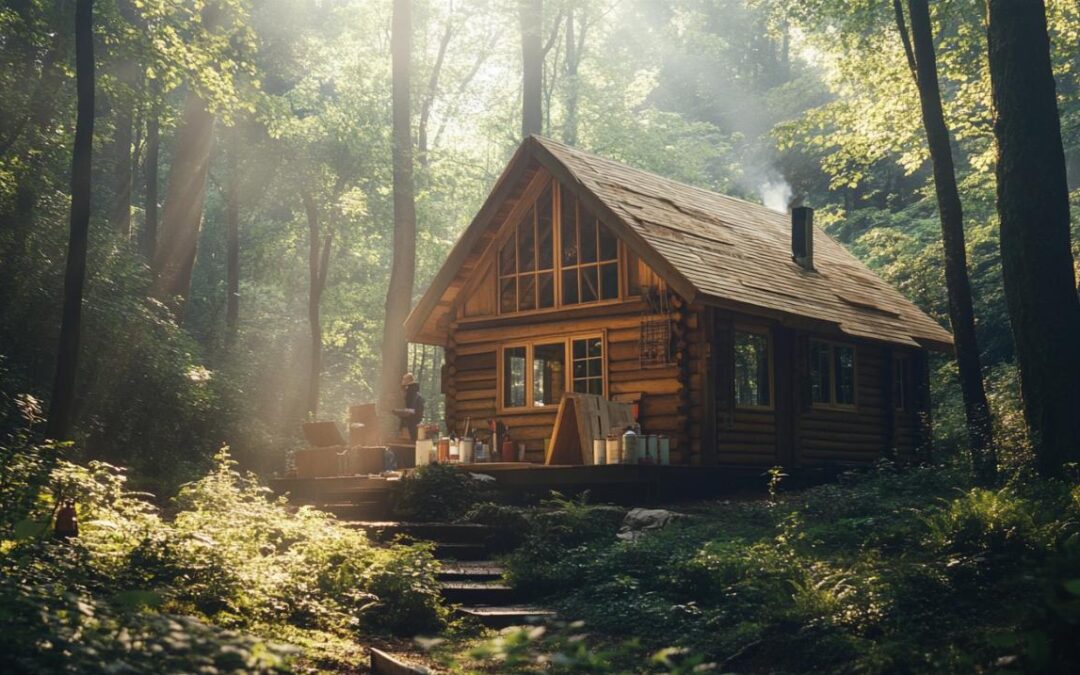
Transforming a wooden cabin into a permanent home is an increasingly popular choice for those seeking a unique living space that blends rustic charm with modern comfort. However, before you start packing your belongings and settling into your cabin, it is essential to understand the legal requirements and practical considerations involved in such a conversion. This process requires careful planning, adherence to building codes, and compliance with local regulations to ensure that your dream of cabin living becomes a reality without legal complications.
Understanding planning permission and building regulations
Navigating local planning requirements for cabin conversions
The first step in legally converting a wooden cabin into a permanent residence is to determine whether you need planning permission. In the United Kingdom, some log cabins may fall under permitted development rights, which means you might not require formal planning permission if your cabin meets specific criteria. These rules primarily focus on the height of the structure and its location on your property. However, if you intend to use the cabin as a permanent home where you will sleep and reside, full planning permission is typically necessary. This is a crucial distinction, as using a cabin for occasional leisure is very different from converting it into your primary dwelling. Before making any commitments, it is wise to visit casaxalon.es for additional insights and to consult with your local council to clarify the specific requirements for your area. Special considerations apply if your property is situated in a National Park or an Area of Outstanding Natural Beauty, where stricter regulations often govern development to preserve the landscape and environment.
Meeting building control standards for permanent residential use
Beyond planning permission, building regulations are another fundamental aspect of converting a cabin into a permanent home. These regulations are designed to ensure that the structure is safe, energy-efficient, and suitable for long-term habitation. Building control standards cover a wide range of elements, including fire safety, structural integrity, insulation, and ventilation. If your cabin exceeds certain size thresholds, such as 30 square metres or 50 square metres, the regulations become progressively more stringent. Fire safety is particularly important if your cabin is located within a certain distance of a boundary, and adequate measures must be in place to prevent the spread of flames. Meeting these standards is not optional; it is a legal requirement that protects both you and your neighbours. Engaging with your local building control department early in the process will help you understand the specific standards your cabin must meet and avoid costly mistakes or delays.
Ensuring your cabin meets structural and safety standards
Upgrading insulation, fire safety, and damp prevention measures
A wooden cabin that was originally built for occasional use or storage will likely need significant upgrades to meet the standards required for permanent residential occupation. Insulation is one of the most critical areas to address, as cabins designed for seasonal use often lack the thermal efficiency needed to keep occupants comfortable year-round. Proper insulation not only improves comfort but also reduces heating costs and helps prevent issues such as condensation and mould growth. Fire safety measures must also be enhanced, especially if the cabin is larger or located close to property boundaries. This may involve installing fire-resistant materials, smoke alarms, and ensuring that escape routes are clearly defined and accessible. Damp prevention is another vital consideration, as wooden structures are particularly vulnerable to moisture damage. Installing adequate damp-proof courses, proper ventilation, and drainage systems will help protect the cabin from rot and decay, ensuring it remains a safe and healthy place to live for many years.
Assessing structural integrity for long-term habitation
Before you commit to living in a wooden cabin permanently, it is essential to have its structural integrity thoroughly assessed. A cabin that was not originally designed for permanent habitation may require reinforcement to ensure it can withstand the stresses of everyday living and the British climate. A qualified surveyor or structural engineer can evaluate the foundation, walls, roof, and overall framework to identify any weaknesses or areas that need improvement. This assessment is particularly important if the cabin is older or has been exposed to the elements for an extended period. Addressing structural issues early in the conversion process will prevent more serious and expensive problems down the line, and it will also provide peace of mind that your home is built to last.
Installing essential services and utilities
Connecting water, electricity, and sewage systems legally
A permanent residence requires reliable access to essential utilities, including water, electricity, and sewage disposal. If your cabin is in a remote location or was previously used only as a storage shed or garden building, these services may not already be in place. Connecting your cabin to mains water and electricity supplies is often the most straightforward option, but it requires formal approval and must be carried out by qualified professionals to meet safety standards. If mains sewage is not available, you may need to install a septic tank or other approved waste disposal system. These installations must comply with environmental regulations to prevent contamination of groundwater and surrounding land. Ensuring that all utilities are connected legally and safely is not only a legal requirement but also essential for your comfort and wellbeing as a permanent resident.
Ensuring all services comply with uk regulations
All utility installations must adhere to strict UK regulations, which are designed to protect public health and safety. Electrical work, for example, must be carried out by a certified electrician and should comply with the latest wiring regulations. Similarly, plumbing and heating systems must be installed to current standards to prevent leaks, water damage, and inefficient energy use. Gas installations, if applicable, require certification by a Gas Safe registered engineer. Failure to comply with these regulations can result in fines, legal action, and potentially dangerous living conditions. It is also worth noting that non-compliant installations can make it difficult to secure a mortgage or sell the property in the future, as lenders and buyers will require proof that all work has been completed to the required standard.
Working with qualified professionals
Engaging Architects, Builders, and Surveyors for Compliance
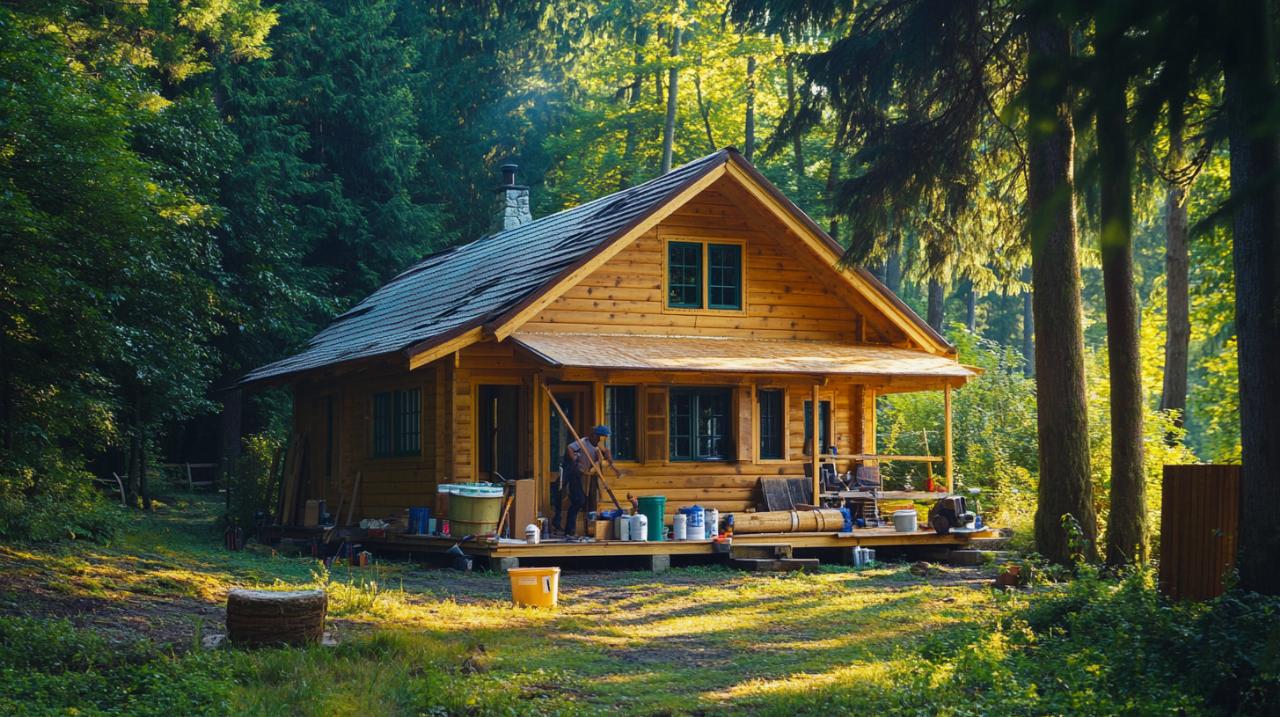
Converting a wooden cabin into a permanent home is a complex project that benefits greatly from professional expertise. Architects can help you design a conversion that maximises space, complies with planning regulations, and meets building control standards. Builders with experience in cabin conversions will understand the unique challenges of working with timber structures and can ensure that all work is completed to a high standard. Surveyors play a crucial role in assessing the structural condition of the cabin and identifying any issues that need to be addressed before the conversion begins. By engaging these professionals early in the process, you can avoid common pitfalls and ensure that your project proceeds smoothly from start to finish.
Why professional expertise is crucial for your conversion
While it may be tempting to undertake a cabin conversion as a DIY project to save money, the risks of doing so are substantial. Professional expertise is crucial not only for ensuring compliance with legal and safety requirements but also for achieving a high-quality result that will stand the test of time. Professionals have the knowledge and experience to navigate the complexities of planning permission, building regulations, and utility installations, and they can provide valuable advice on materials, design, and construction techniques. Investing in professional services may increase the upfront cost of your conversion, but it will ultimately save you money by preventing costly mistakes and ensuring that your cabin is a safe, comfortable, and legally compliant home.
Securing Finance and Dealing with Mortgage Lenders
Understanding lender concerns about cabin conversions
One of the challenges you may face when converting a wooden cabin into a permanent home is securing finance. Mortgage lenders are often cautious about lending on unconventional properties, including cabin conversions, because they can be harder to value and may have a limited resale market. Lenders will want to see evidence that the cabin meets all building regulations and has planning permission for residential use. They may also require a valuation by a surveyor who specialises in non-standard properties. Being prepared to provide detailed documentation and working with a mortgage broker who has experience with unconventional properties can improve your chances of securing the finance you need.
Exploring alternative financing options for unconventional properties
If traditional mortgage lenders are unwilling to finance your cabin conversion, there are alternative options to consider. Specialist lenders who focus on non-standard properties may be more flexible in their lending criteria, although they may charge higher interest rates or require a larger deposit. Another option is to use personal savings or a personal loan to fund the conversion, which can be a viable solution if the total cost is relatively modest. Some people also choose to carry out the conversion in stages, funding each phase as they go, which spreads the financial burden over time. Whatever approach you take, it is important to plan your finances carefully and ensure that you have a realistic budget that accounts for all costs, including professional fees, materials, and any unexpected expenses that may arise during the project.
Addressing retrospective planning permission
What to do if work has already commenced without permission
If you have already begun work on converting your cabin without obtaining the necessary planning permission, you are not alone, but you are in a potentially difficult situation. In such cases, you may need to apply for retrospective planning permission, which is a formal request to your local council to approve work that has already been carried out. While it is possible to obtain retrospective permission, it is by no means guaranteed, and there is a risk that the council may refuse the application and require you to undo the work. To improve your chances of success, it is important to provide detailed plans and documentation showing that the conversion meets all relevant regulations and does not negatively impact the surrounding area. Seeking advice from a planning consultant or solicitor can also be beneficial in navigating this process.
Understanding the Risks and Realities of Retrospective Applications
Applying for retrospective planning permission carries significant risks. If your application is refused, you may be required to demolish or significantly alter the conversion, which can be both costly and emotionally distressing. There is also the possibility of enforcement action by the local council, which can include fines or legal proceedings. Even if retrospective permission is granted, the process can be time-consuming and stressful. For these reasons, it is always best to obtain planning permission before starting any work, even if you believe the project falls under permitted development rights. Taking this proactive approach will save you from potential legal complications and ensure that your cabin conversion is completed smoothly and legally.