
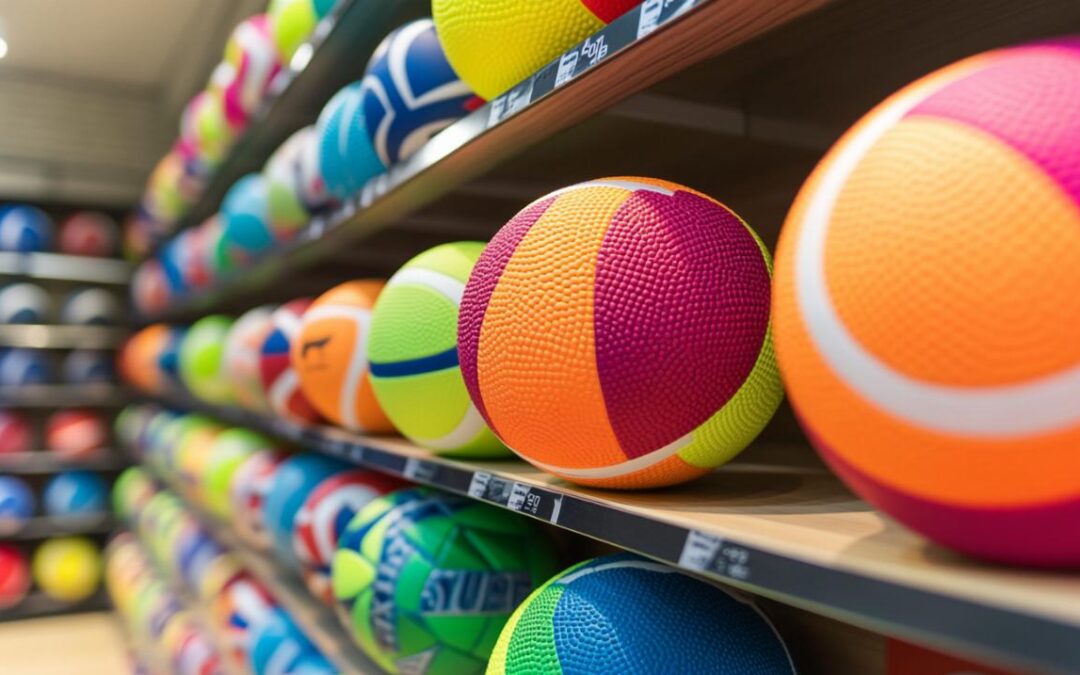
Choosing the right volleyball can transform your performance on court, whether you are competing at grassroots level or aiming for the highest echelons of the sport. With two dominant brands commanding professional arenas, understanding the nuances between Mikasa and Molten becomes essential for athletes seeking enhanced grip, precision, and consistency. This guide explores the defining characteristics that separate these manufacturers, examines official specifications, and considers various playing environments to help you make an informed decision.
Understanding official specifications: what makes a sphere tournament-ready
Any volleyball destined for professional contests must meet stringent criteria established by governing bodies. These standards ensure uniformity across competitions and guarantee that every sphere performs predictably regardless of location or tournament setting. The specifications cover everything from circumference and weight to internal pressure and surface texture, creating a level playing field for athletes worldwide.
Regulation Dimension, Heft, and Grade Standards for Professional Contests
A regulation volleyball typically measures between 65 and 67 centimetres in circumference, striking a balance between control and visibility during fast-paced rallies. The heft of a standard indoor volleyball ranges from 260 to 280 grams, a weight that allows for powerful serves whilst maintaining manageable handling characteristics. This precise balance influences every aspect of play, from setting accuracy to attacking power. The grade of materials used determines durability and performance longevity, with top-tier spheres constructed from composite hide or advanced man-made materials that resist moisture absorption and maintain shape integrity throughout extended matches. Tournament organisers select volleyballs that have undergone rigorous testing, ensuring consistent bounce characteristics and predictable flight paths that athletes can trust during critical moments.
The mva marking and worldwide federation requirements
The MVA designation represents more than a simple logo; it signifies approval from the sport's global governing body and confirms that a volleyball meets international competition standards. This marking guarantees that the sphere has passed comprehensive evaluations covering pressure retention, seam strength, and surface consistency. Worldwide federation requirements extend beyond basic measurements to encompass performance characteristics such as rebound height, sphericity tolerance, and colour specifications that ensure visibility under various lighting conditions. For beach tournaments, separate criteria account for the different playing environment, with adjustments made for sand contact, outdoor weather exposure, and the slightly larger dimensions required for outdoor play. Professional athletes rely on these certifications when selecting equipment, knowing that any volleyball bearing official markings will perform consistently regardless of venue or competition format.
Mikasa Versus Molten: Comparing Top Manufacturers for Athletes and Matches
These two Japanese manufacturers have established themselves as the primary suppliers for professional volleyball worldwide, each bringing distinct approaches to design and construction. The rivalry between Mikasa and Molten has driven innovation throughout the industry, pushing both companies to refine their offerings continuously. Understanding the philosophical differences between these brands helps athletes select the option that best complements their playing style and tournament requirements.
Hide quality, man-made materials, and surface grip technology
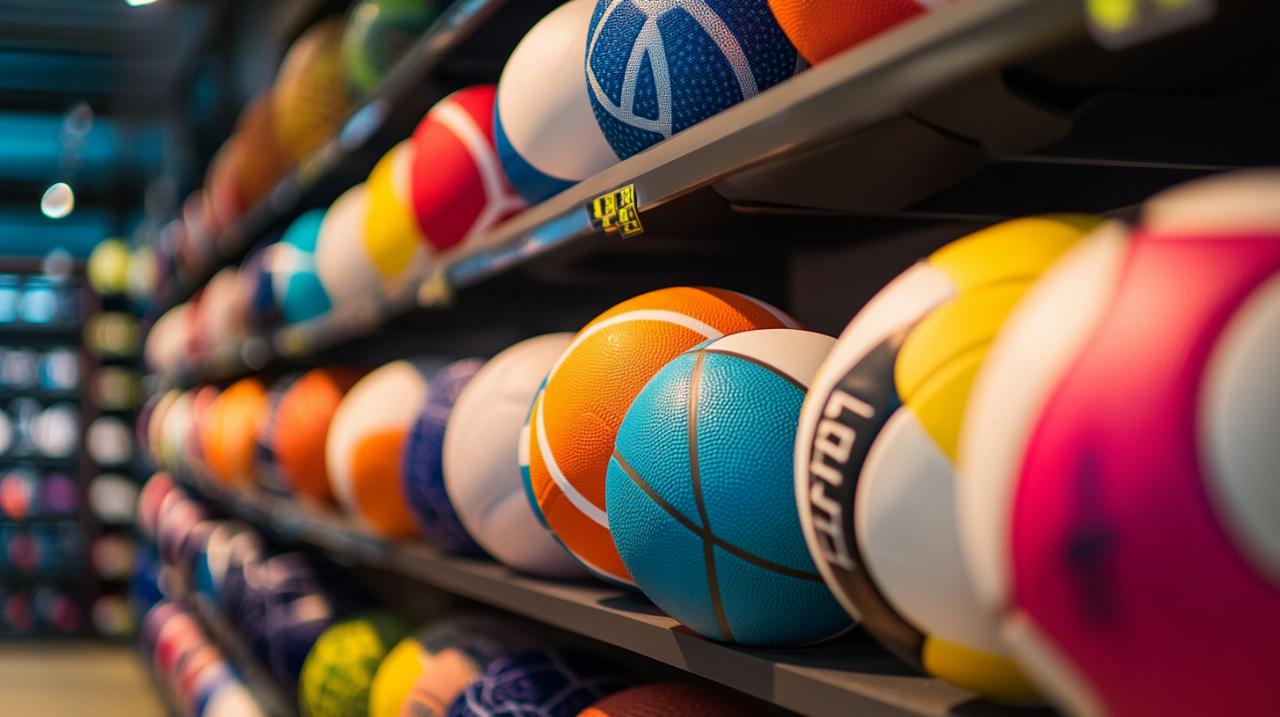
Mikasa pioneered the use of microfibre composite materials that mimic natural hide whilst offering superior consistency and weather resistance. Their patented surface technology creates a textured grip that remains effective even when moisture levels fluctuate during intense rallies. The dimpled pattern on Mikasa spheres provides enhanced tactile feedback, allowing setters to achieve precise ball placement and attackers to generate greater spin. Molten has developed its own proprietary surface treatment that emphasises a slightly softer touch, appealing to athletes who prefer a more cushioned contact sensation. The construction method differs as well, with Mikasa employing machine-stitched panels that ensure uniform tension across the entire sphere, whilst Molten combines hand-finishing techniques with modern bonding technologies. Both approaches deliver exceptional performance, yet the subtle differences in surface texture and panel construction create distinct handling characteristics that become apparent during extended play. Professional athletes often develop strong preferences based on these tactile differences, with some favouring the firmer response of Mikasa and others gravitating toward the forgiving nature of Molten designs.
Cost Analysis and Value for Money: Which Option Suits Your Game
Professional-grade volleyballs represent a significant investment, with prices reflecting the advanced materials and precise manufacturing required for tournament play. Mikasa models typically command premium pricing, justified by their widespread adoption at Olympics and world championship events. The cost difference between brands rarely exceeds fifteen to twenty percent, making the decision less about budget constraints and more about performance preferences. For training purposes, both manufacturers offer slightly lower-priced alternatives that maintain many professional characteristics whilst incorporating more durable materials suited to repeated court contact. When evaluating value, consider the expected lifespan of each sphere, as higher-grade materials resist surface wear and maintain consistent performance through hundreds of hours of play. Club programmes and training facilities often purchase in bulk, leveraging volume discounts that narrow the cost gap between premium and standard offerings. Individual athletes should weigh the importance of match-identical practice conditions against budget limitations, recognising that training with inferior equipment can create adjustment challenges during actual competition.
Selecting the Right Spheres: Indoor, Sand, and Olympics-Level Performance
The playing environment dramatically influences volleyball selection, with distinct requirements for indoor courts versus beach settings. Understanding these differences ensures optimal performance and prevents the costly mistake of using inappropriate equipment in specific conditions. Olympics-level competition demands the highest grade of sphere regardless of venue, but recreational and semi-professional athletes may benefit from specialised options tailored to their primary playing surface.
Inside court versus beach play: method and material differences
Indoor volleyballs feature a smooth, slightly tacky surface optimised for controlled setting and precise passing on hardwood floors. The panel construction allows for minimal air resistance, creating predictable flight paths essential for the rapid exchanges characteristic of inside contests. Beach volleyballs employ a rougher texture that provides grip even when coated with sand particles, whilst the slightly softer construction absorbs some impact force during digs on unforgiving ground. The method of construction differs fundamentally, with beach models using water-resistant materials and reinforced stitching to withstand exposure to sunlight, saltwater, and abrasive sand. Pressure specifications also vary, as outdoor spheres require slightly firmer inflation to maintain shape in variable temperature conditions. Athletes transitioning between environments must account for these differences, as the handling characteristics change substantially. Training exclusively with one type can create adjustment difficulties when competing in alternate formats, suggesting that serious players might benefit from maintaining separate practice equipment for each venue type.
Wilson and french alternatives: exploring tournament-grade options
Whilst Mikasa and Molten dominate professional circuits, Wilson maintains a significant presence in certain regional competitions and training programmes. The American manufacturer brings a different design philosophy that emphasises durability and consistent performance across varying skill levels. French manufacturers have carved out niche markets with volleyballs that prioritise aesthetic design alongside functional performance, appealing to clubs and recreational leagues seeking distinctive equipment. These alternatives often provide excellent value for training purposes, delivering reliable performance at moderate cost points. Tournament organisers outside the highest international competitions sometimes select Wilson or regional brands, creating situations where athletes benefit from exposure to multiple equipment types. The diversity of options allows teams to match their equipment choices with specific needs, whether prioritising budget considerations, supporting local manufacturers, or simply offering variety in training sessions. As the sport continues to evolve, competition among manufacturers drives continuous improvement, ultimately benefiting athletes at all levels who gain access to increasingly sophisticated equipment designed to enhance every aspect of their game.