
In the early 1990s, Mattel inadvertently created a cultural phenomenon that would become one of the most memorable controversies in toy history. What began as an attempt to modernise the Ken doll and appeal to a new generation of children quickly spiralled into a national debate about identity, symbolism, and the unexpected ways in which popular culture reflects and shapes societal attitudes. The story of Earring Magic Ken is not merely about a toy withdrawn from shop shelves; it is a window into a moment when the boundaries between children's playthings and adult cultural signifiers collided in ways that few could have predicted.
The Birth of a Cultural Icon: How Earring Magic Ken Became Mattel's Most Talked-About Doll
The Beginning of a New Era for the Ken Doll in the Early 1990s
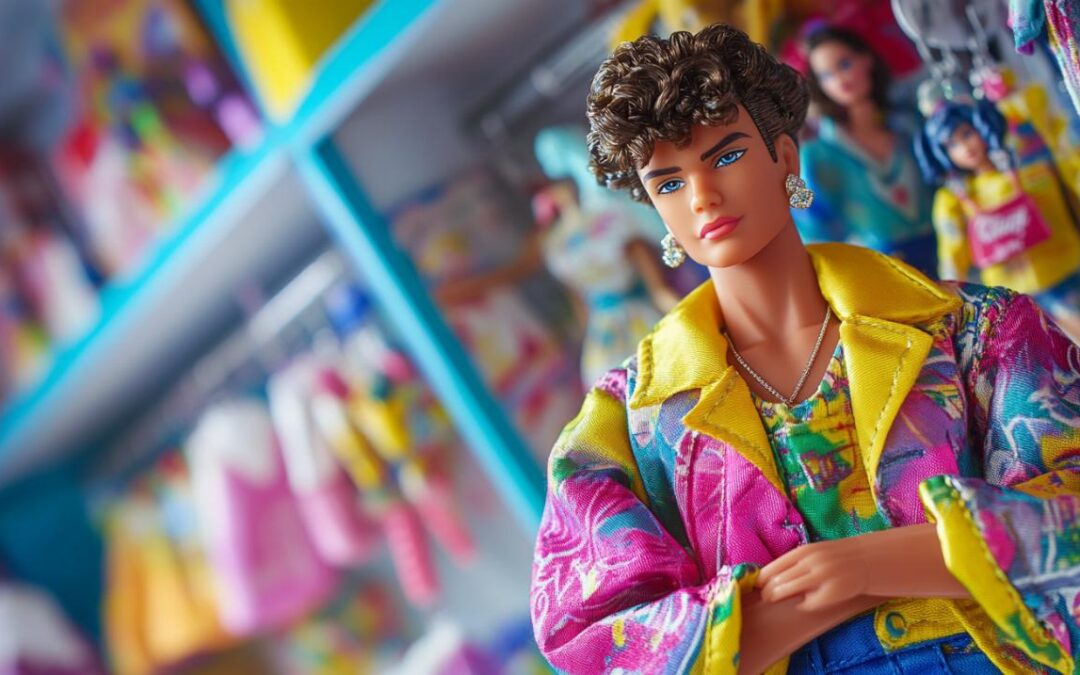
As the 1990s dawned, Mattel recognised that the Ken doll needed a fresh image to remain relevant in a rapidly changing market. The company sought to inject new life into the character by embracing contemporary fashion trends and moving away from the conservative aesthetics that had defined the doll for years. This was the beginning of a bold experiment, one that would see Ken reimagined as a figure who mirrored the style and energy of modern youth culture. The version released in 1993 featured an earring in one ear, a purple mesh vest, and a distinctive collar necklace that resembled accessories popular in nightclub culture at the time. These design choices were intended to make Ken more fashionable and appealing to children who were growing up in an era of bold self-expression and evolving ideas about masculinity.
Design Choices That Mirrored Nightclub Culture and Children's Perceptions of Modern Life
The aesthetic of Earring Magic Ken was undeniably influenced by the vibrant atmosphere of clubs and the fashion sensibilities of the era. The doll's wardrobe and accessories were meant to evoke a sense of excitement and modernity, capturing the spirit of a time when personal style was becoming increasingly adventurous. For many children, the doll represented a version of adult life that seemed glamorous and intriguing. However, what Mattel did not anticipate was that these same design elements carried strong cultural connotations within the gay community. The collar, earring, and overall style were recognised by many as symbols commonly associated with gay club culture, and this unintended alignment would soon thrust the doll into the centre of a national controversy. The magic of the doll, it seemed, lay not only in its appearance but in the powerful conversations it sparked about identity and representation.
A national controversy unfolds: the gay community's response and mattel's market dilemma
Richard and the Role of LGBT Advocacy in Highlighting the Doll's Symbolism
As the doll gained traction in the market, members of the LGBT community began to notice and celebrate the unintentional symbolism embedded in Earring Magic Ken. Prominent figures, including activists named Richard, played a significant role in drawing attention to the doll's aesthetic and what it represented. The doll quickly became a star within gay clubs and culture, embraced as a symbol of visibility and acceptance at a time when such representation was rare in mainstream consumer products. This recognition was both a moment of joy for the community and a source of alarm for Mattel. The company found itself in an uncomfortable position, forced to confront the fact that a product designed for children had become a cultural icon in a very different context. The discussion spread rapidly, moving from community gatherings to broader platforms, including early online forums and professional networks such as LinkedIn, where the implications of the doll's design were debated by marketers, cultural commentators, and concerned parents alike.
From LinkedIn Discussions to Club Culture: How the Controversy Spread Through Different Communities
The controversy surrounding the doll was not confined to any single group or venue. It permeated various layers of society, from the clubs where the doll was celebrated to professional circles where the marketing misstep was dissected. On platforms like LinkedIn, industry professionals examined the case as a cautionary tale about the importance of understanding cultural signals and the potential for products to carry meanings far beyond their intended purpose. Meanwhile, in the vibrant world of club culture, the doll was embraced as a badge of honour, a playful acknowledgment of shared identity and style. This dual existence—as both a beloved icon and a source of corporate embarrassment—highlighted the complex relationship between consumer goods and the communities that adopt them. For Mattel, the situation was untenable. The company faced pressure from multiple fronts, including conservative groups concerned about the doll's influence on children and from within its own ranks, where executives grappled with how to respond to a public relations crisis that showed no signs of abating.
The Aftermath and Historical Significance: Years Later, Reflecting on a Defining Moment in Toy History
When Mattel Was Forced to Remove the Version from Shelves: A Star Moment in Cultural History
Faced with mounting controversy and concerned about the potential impact on its brand, Mattel made the decision to withdraw Earring Magic Ken from the market after only six months. This swift action was intended to quell the growing backlash and reassure parents that the company remained committed to producing toys appropriate for children. Yet, the move had an unintended consequence: it cemented the doll's status as a cultural artefact. The removal from shelves only amplified public interest, and the doll went on to become the best-selling Ken doll of all time. This paradox speaks volumes about the unpredictable nature of consumer desire and the ways in which controversy can elevate a product to iconic status. The years following the doll's withdrawal have seen it become a sought-after collector's item, a symbol of a specific moment in history when societal attitudes towards identity and representation were undergoing significant shifts. The doll's brief time on the market left an indelible mark, serving as a reminder of the power of design and the importance of cultural awareness in product development.
The First Time a Toy Sparked Debate About Identity: Magic, Earrings, and the Collar That Changed Everything
Earring Magic Ken holds a unique place in the annals of toy history as the first mainstream children's product to ignite such widespread debate about identity and symbolism. The doll's earring, collar, and overall aesthetic became talking points that transcended the toy aisle and entered broader cultural discourse. For many, the doll represented a moment of visibility and validation, a rare instance when the gay community saw aspects of its culture reflected in a mainstream product, even if unintentionally. For others, it was a cautionary tale about the need for companies to be mindful of the signals their products send. The controversy unfolded at a time when public opinion on same-sex relationships was deeply divided, with a significant portion of the national population holding conservative views. In 1993, 44 per cent of Americans believed that same-sex relationships should be illegal, a statistic that underscores the charged social climate in which the doll's release and subsequent withdrawal occurred. The magic of Earring Magic Ken, then, lies not only in its design but in its capacity to serve as a catalyst for conversation, reflection, and ultimately, a greater understanding of the diverse ways in which people see themselves and their lives represented in the world around them. The doll's legacy endures as a testament to the evolving role of toys in shaping and reflecting cultural narratives, and as a reminder that even the most seemingly innocuous products can carry profound significance.