
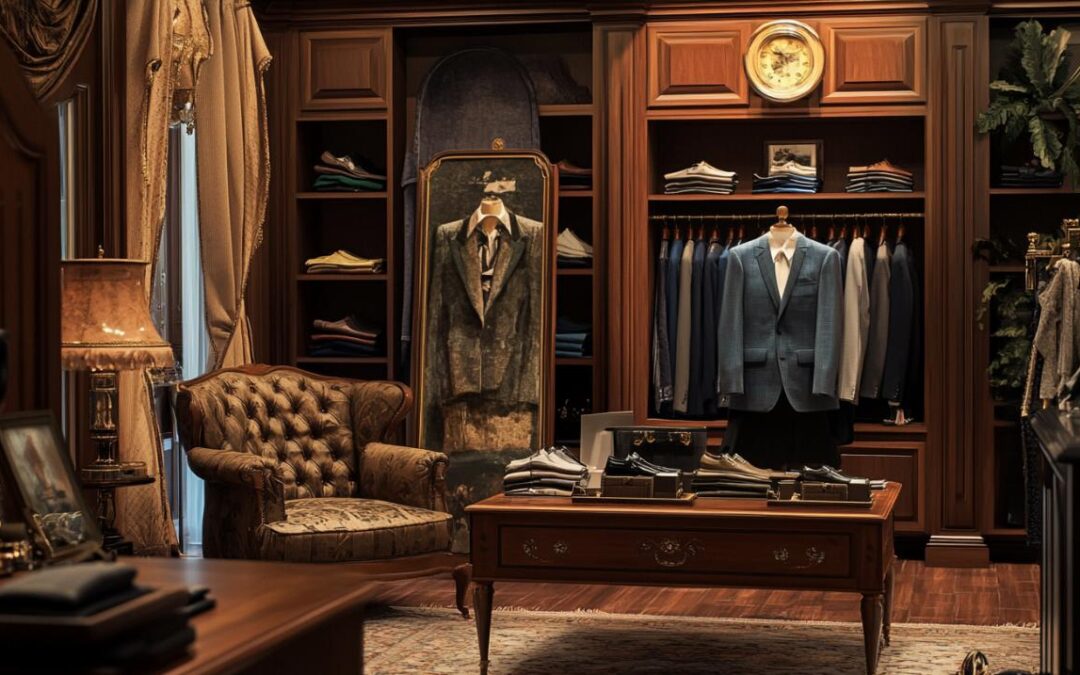
Fashion and design have always captivated the human imagination, shaping not only how we present ourselves to the world but also how we express our individuality and creativity. In an era where fleeting trends dominate social media feeds and high street displays, certain pieces manage to rise above the noise, establishing themselves as perennial favourites that transcend time and place. These most desired items continue to hold sway over fashion enthusiasts and design aficionados alike, combining artistry, heritage, and cultural resonance in ways that speak to generation after generation.
Timeless classics: the icons that transcend seasonal trends
The allure of timeless fashion lies in its ability to remain relevant regardless of shifting tastes or the relentless pace of contemporary life. Brands such as Nike, Chanel, and Lacoste have cultivated distinctive identities that go far beyond the garments themselves. Wearing their creations becomes akin to embracing a narrative, a story woven into the very fabric of each design. These houses have mastered the art of balancing innovation with tradition, ensuring that their offerings remain both fresh and familiar. The branded apparel produced by such iconic names is more than mere clothing; it serves as a canvas upon which individuals project their personalities and passions, transforming everyday attire into wearable art.
The enduring appeal of these pieces is rooted in their capacity to connect people across diverse backgrounds. Fashion functions as a universal language, one that communicates taste, aspiration, and belonging without uttering a single word. When someone dons a classic Chanel jacket or a pair of Nike trainers, they are participating in a shared cultural experience that links them to countless others who appreciate the same aesthetic values. This phenomenon is particularly evident in the way luxury brands have adapted their strategies to remain accessible while preserving their exclusivity. Collaborative ventures between high-end designers and more accessible labels have democratised fashion, allowing a broader audience to experience the craftsmanship and vision that once belonged solely to the elite.
Heritage pieces that define generational style
Heritage plays a pivotal role in the sustained desirability of certain fashion staples. Consider the Longchamp Pliage, a handbag that has retained its vigour for more than three decades. Its simple yet sophisticated design speaks to a kind of understated elegance that never goes out of fashion. The bag's ability to adapt to various contexts, from casual outings to formal events, underscores the importance of versatility in creating lasting appeal. Similarly, the Pochette Toilette 26 from Louis Vuitton has evolved into a highly personalised and coveted accessory, demonstrating how a classic silhouette can be reimagined to suit contemporary tastes without losing its original charm.
The influence of Art Deco on modern design cannot be overstated, particularly when examining the legacy of Erté, born Romain de Tirtoff. Often hailed as the Father of Art Deco, Erté's work continues to inspire designers today. His celebrated Alphabet series was showcased at the Hermitage Museum in 2016, highlighting the enduring relevance of his artistic vision. Designer Michael Halpern, who studied at Central Saint Martins in London, drew heavily on Erté's aesthetic for his Autumn-Winter 2019 collection, illustrating how historical artistry can inform contemporary fashion. Stella McCartney, who met Erté on a plane during her childhood and later undertook a work placement with him, revitalised his patterns for her Autumn-Winter 2020 collection. This cross-generational dialogue between past and present enriches the fashion landscape, ensuring that the artistry and attention to detail pioneered by masters like Erté continue to shape the industry.
Investment staples: why quality outlasts fast fashion
In an age where fast fashion dominates the high street, there is a growing appreciation for investment pieces that prioritise quality over quantity. The shift towards sustainable fashion has encouraged consumers to seek out items crafted with care, using materials that stand the test of time. Brands such as Edinburgh Cashmere exemplify this philosophy, offering products made from cashmere and lambswool that promise both comfort and durability. Their range of fur jackets, including options in white, multicolour, oversized faux fur, and one hundred percent shearling, caters to those who value craftsmanship and ethical production methods.
Edinburgh Cashmere has established itself as a global fashion influencer, showcasing its designs at Paris Fashion Week and New York Fashion Week. With twenty years of experience in jacket manufacturing and collaborations with other top fashion houses, the brand has garnered attention from celebrities and earned accolades within the fashion industry. Features in prestigious publications such as Vogue, GQ, Tatler, and Grazia further cement its reputation as a purveyor of timeless elegance. The commitment to quality is evident in every stitch, reflecting a dedication to creating pieces that transcend seasonal trends and serve as enduring wardrobe staples.
The contrast between investment pieces and disposable fashion is stark. While fast fashion offers immediate gratification at a lower price point, it often comes at the expense of quality and sustainability. Investment staples, on the other hand, are designed to be cherished and worn for years, developing character and personal history over time. This approach aligns with a broader cultural shift towards mindful consumption, where the emphasis is on owning fewer, better-made items rather than accumulating a wardrobe of ephemeral trends. The result is a more thoughtful relationship with fashion, one that values artistry, heritage, and environmental responsibility.
Cultural influence and craftsmanship behind coveted design
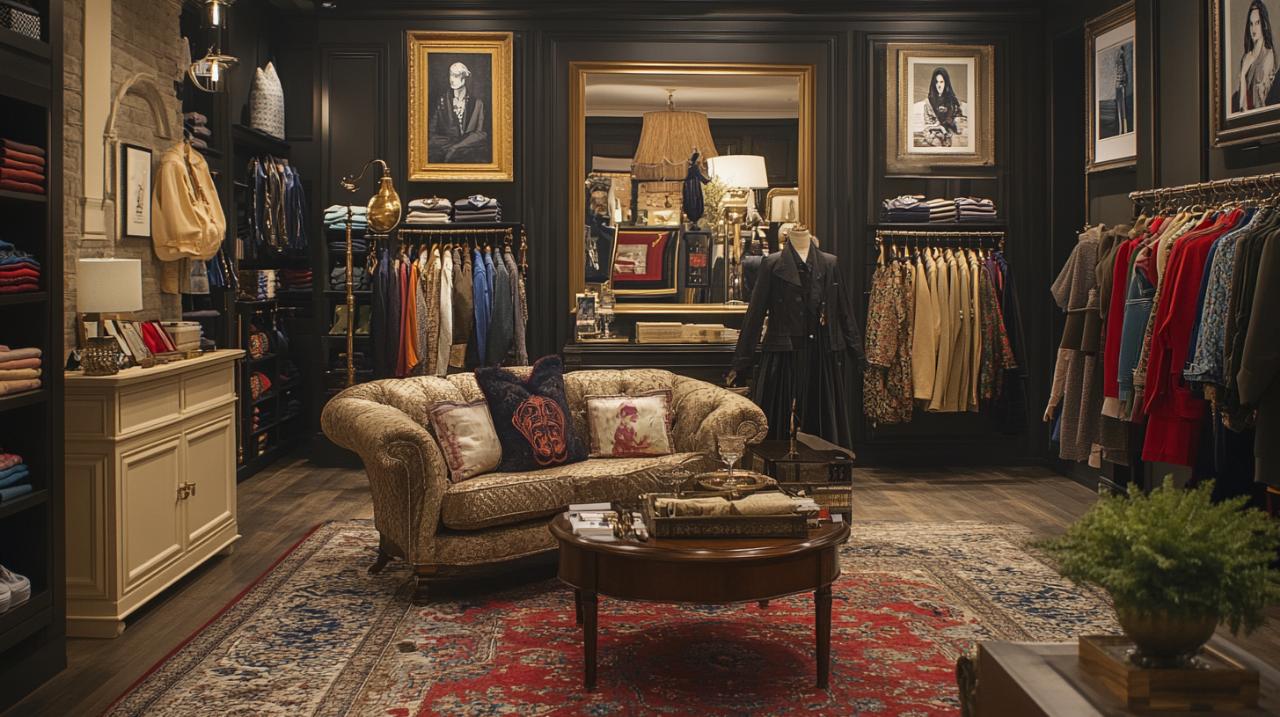
The most desired items in fashion and design often owe their status to a combination of exceptional craftsmanship and cultural resonance. Luxury brands have long understood that their products are not merely commodities but symbols of identity and aspiration. The meticulous attention to detail that goes into creating a Prada handbag or a Dior fragrance transforms these items into objects of desire, imbued with meaning that extends beyond their practical function. Prada, for instance, has been innovating with luxury bags for men that combine cutting-edge technology with sustainable practices, reflecting a commitment to both style and environmental stewardship.
The artistry inherent in high fashion is what elevates it to the realm of wearable art. Designers pour their creativity into every collection, drawing on diverse sources of inspiration ranging from historical movements to contemporary social issues. This fusion of art and fashion is particularly evident in the work of designers who collaborate with other creative fields, blurring the boundaries between disciplines. The influence of social media has amplified this phenomenon, with influencers and celebrities showcasing branded apparel to vast audiences, thereby accelerating the spread of trends and shaping modern demand in unprecedented ways.
The Artistry and Attention to Detail That Creates Desirability
Craftsmanship is the cornerstone of desirability in fashion. Each stitch, seam, and silhouette is a testament to the skill and vision of the artisans and designers who bring these creations to life. The legacy of Erté, who produced more than one hundred and thirty fabric designs for the Amalgamated Silk Corporation in New York between 1929 and 1930, serves as a powerful reminder of the enduring value of meticulous design. His work, supported by Seven Arts, founded by Eric and Salome Estorick, continues to inspire contemporary designers and is celebrated in institutions such as the Metropolitan Museum of Art, which sells Erté-inspired jewellery and accessories.
The connection between artistry and fashion is further exemplified by the way designers reinterpret classic motifs for modern audiences. Michael Halpern's exploration of Erté's aesthetic for his autumn collection demonstrates how historical references can be woven into contemporary narratives, creating pieces that are both innovative and respectful of tradition. This dialogue between past and present is essential to maintaining the relevance of heritage brands and ensuring that their contributions to fashion history are not forgotten. By honouring the artistry of pioneers like Erté, today's designers keep the spirit of creativity alive, fostering a culture that values craftsmanship and originality.
How celebrity endorsement and social media shape modern demand
The role of celebrity endorsement and social media in shaping fashion trends cannot be underestimated. Influencers wield significant power in determining which items become coveted and which fade into obscurity. Platforms such as Instagram and TikTok have democratised fashion, allowing trends to spread rapidly across the globe and enabling smaller brands to reach audiences that were once inaccessible. The Obey cap, for example, has become a symbol of cultural resistance, embraced by those who see fashion as a form of self-expression and social commentary. This intersection of fashion, identity, and activism highlights the multifaceted nature of contemporary style.
Luxury brands have adapted to this new landscape by cultivating relationships with influencers and celebrities who embody their values and aesthetic. A fragrance like Dior Sauvage, promoted by retailers such as Marionnaud and Nocibe, becomes more than just a scent; it transforms into a lifestyle choice endorsed by public figures and celebrated in marketing campaigns. Similarly, the resurgence of collectables such as the Luffy Pop figure from One Piece illustrates how fashion and popular culture intersect, creating items that are prized not only for their design but also for their cultural significance. These collectables serve as tangible connections to beloved narratives, bridging the gap between fashion, fandom, and personal identity.
The increasing emphasis on sustainability and ethical production has also influenced consumer behaviour, with many seeking out brands that prioritise eco-friendly practices and fair treatment of workers. This shift reflects a broader cultural awareness of the environmental and social impacts of fashion, prompting luxury brands to rethink their supply chains and production methods. Collaborations between high-end designers and accessible labels have made sustainable fashion more attainable, allowing consumers to invest in quality pieces without compromising their values. As the fashion industry continues to evolve, the interplay between artistry, cultural influence, and social responsibility will remain central to understanding the enduring allure of the most desired items in fashion and design.