
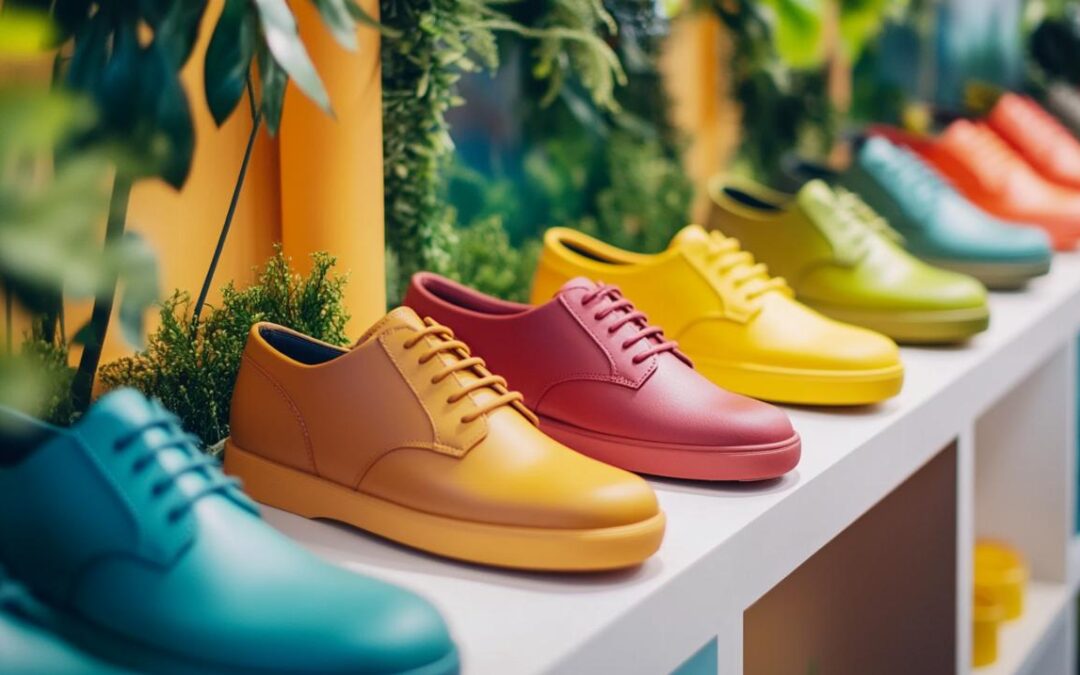
The quest for footwear that marries style with sustainability has become a defining feature of modern fashion consciousness. As shoppers increasingly seek to align their wardrobes with their values, the demand for eco-friendly shoes has surged, prompting a wave of innovative brands to reimagine what fashionable footwear can be. This shift represents more than a passing trend; it signals a fundamental transformation in how we approach the very items we wear on our feet each day, blending aesthetic appeal with environmental responsibility in ways that once seemed impossible.
Why choosing sustainable footwear matters more than ever
The footwear industry has long been a significant contributor to environmental degradation, and understanding the scale of this impact is crucial for making informed purchasing decisions. Traditional shoe manufacturing relies heavily on resource-intensive processes and materials that leave a considerable ecological footprint. From the cultivation of conventional cotton, which demands vast quantities of water and pesticides, to the tanning of leather using toxic chemicals, the journey from raw materials to finished product is fraught with environmental consequences. The use of synthetic materials derived from petroleum adds another layer of concern, as these non-biodegradable substances persist in landfills for decades after the shoes have outlived their usefulness. Furthermore, the global supply chains that underpin conventional shoe production often involve lengthy transportation routes, resulting in substantial carbon emissions that contribute to climate change.
The environmental impact of traditional shoe manufacturing
The environmental toll of conventional footwear extends beyond the materials themselves to encompass the entire manufacturing process. Factories producing traditional shoes frequently rely on energy sources that generate significant greenhouse gas emissions, while the chemical-heavy processes used to treat and dye materials can contaminate local water supplies and harm surrounding ecosystems. The sheer volume of shoes produced each year, coupled with the fast fashion mentality that encourages frequent replacement, has created a waste crisis of staggering proportions. Millions of pairs end up in landfills annually, where their synthetic components resist decomposition and leach harmful substances into the soil. This linear model of production and disposal stands in stark contrast to the circular economy principles that sustainable brands are now championing, where materials are chosen for their ability to be recycled, repurposed, or safely returned to the earth.
How eco-friendly shoes are revolutionising the fashion industry
The emergence of sustainable footwear has introduced a refreshing alternative that prioritises both planetary health and human welfare. Eco-friendly shoes minimise environmental impact through the use of materials such as organic cotton, hemp, and recycled rubber, which require fewer resources to produce and leave a lighter ecological footprint. Brands committed to responsible production often seek certifications like Fair Trade or B Corp, which serve as reliable indicators of their dedication to ethical labour practices and sustainable manufacturing. Transparency has become a hallmark of these companies, with many openly sharing information about their supply chains, factory conditions, and environmental initiatives. This openness not only builds trust with consumers but also sets a new standard for the industry as a whole, encouraging larger manufacturers to reconsider their own practices. The focus on vegan footwear has also gained momentum, offering stylish options that avoid animal products altogether while still delivering on comfort and durability. Recycled materials such as plastic bottles and fishing nets are being transformed into sleek, wearable designs that prove sustainability need not come at the expense of aesthetics.
Our Top 10 Brands Leading the Charge in Stylish Sustainable Footwear
The landscape of sustainable shoes is populated by a diverse array of brands, each bringing unique strengths and perspectives to the table. These companies are united by a common commitment to reducing their environmental impact and ensuring fair labour practices, yet they each carve out distinct niches through their design philosophies and material choices. From established names with a track record of ethical production to emerging labels pushing the boundaries of innovation, the options available today are more varied and appealing than ever before. The following selection showcases some of the most compelling destinations for those seeking footwear that reflects both personal style and environmental values. Zou Xou stands out for its chic and versatile shoes crafted through responsible methods, demonstrating that elegance and ethics can coexist seamlessly. Nomadic State of Mind offers rope sandals made from partly reclaimed polypropylene cord, emphasising fair trade principles and minimal waste in their production process. Thousand Fell has garnered attention for its recyclable trainers constructed from materials like bio-leather and recycled plastic, complemented by a take-back programme that encourages customers to return worn-out pairs for proper recycling. Vivaia operates as a fully vegan brand, utilising Repreve material derived from recycled plastic water bottles to create comfortable and stylish options. Nisolo, a certified B Corp, is deeply committed to ethical production and sources Leather Working Group Certified leather, ensuring that its materials meet rigorous environmental standards. Rothy's, another vegan brand, fashions shoes from recycled plastic bottles and nylon waste at a factory in Dongguan, China, blending sustainability with contemporary design. Either/OR takes a more artisanal approach, using vegetable-tanned leathers and plastic-free packaging to appeal to those seeking small-batch, conscientiously made footwear.
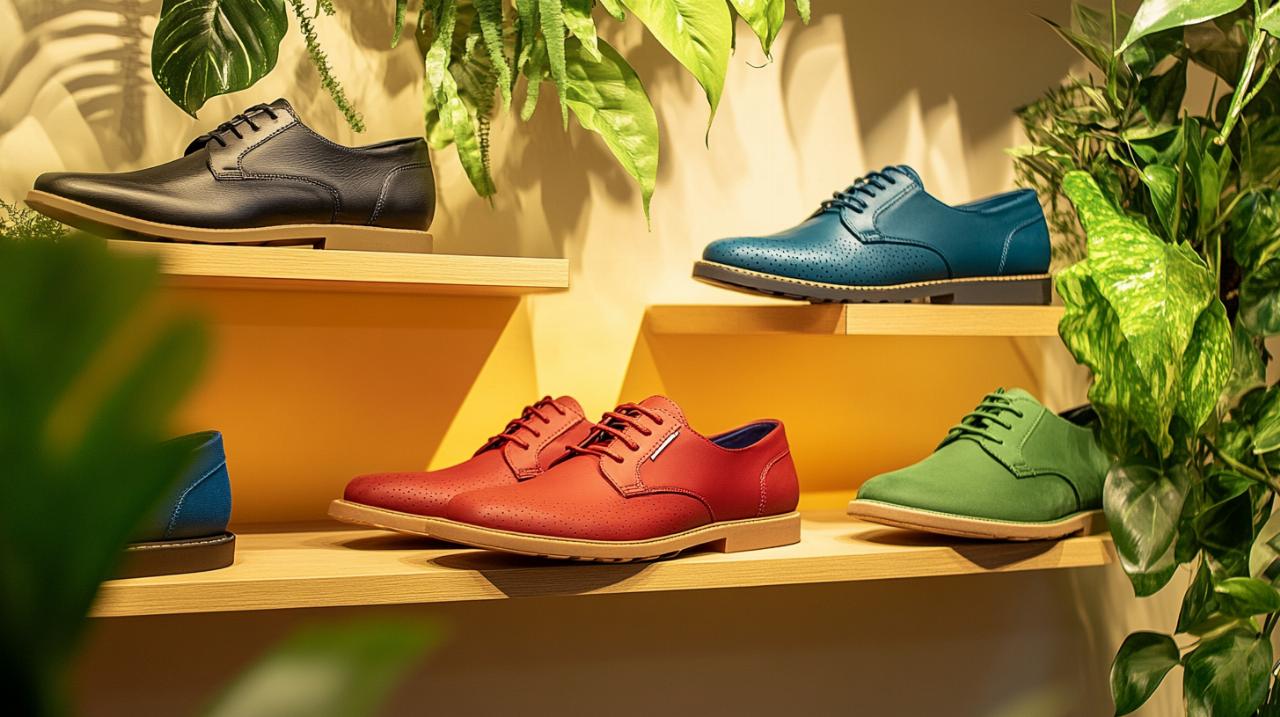
Jules & Jenn embodies the intersection of Parisian sophistication and environmental responsibility, offering a range of shoes that speak to those who refuse to compromise on style or sustainability. The brand places a strong emphasis on transparency, sharing detailed information about the origins of its materials and the conditions under which its products are made. By prioritising ethical labour practices and selecting eco-friendly materials, Jules & Jenn has cultivated a reputation for quality and integrity that resonates with discerning shoppers. The designs themselves reflect a timeless aesthetic, blending classic silhouettes with modern touches to create footwear that remains relevant season after season. This commitment to longevity, both in terms of style and durability, aligns perfectly with the broader goals of sustainable fashion, which seeks to counter the disposable mindset that has long plagued the industry.
Midnight 00: Cutting-Edge Design with a Conscience
Midnight 00 represents the vanguard of sustainable footwear, where innovative design meets a deep commitment to environmental stewardship. The brand has earned acclaim for its bold, contemporary aesthetic, which challenges conventional notions of what eco-friendly shoes can look like. By harnessing cutting-edge materials and production techniques, Midnight 00 demonstrates that sustainability can serve as a catalyst for creativity rather than a constraint. The use of recycled and plant-based materials is central to the brand's ethos, ensuring that each pair of shoes contributes to a more circular economy. Beyond the materials themselves, Midnight 00 also places a premium on fair labour practices and transparency, providing customers with the assurance that their purchase supports ethical working conditions throughout the supply chain. This holistic approach to sustainability, encompassing both environmental and social considerations, positions Midnight 00 as a leader in the movement towards more responsible fashion.
What to Look for When Shopping for Eco-Friendly Shoes
Navigating the world of sustainable footwear can feel overwhelming, given the sheer number of brands and the variety of claims they make. However, armed with the right knowledge, shoppers can make choices that align with their values and contribute to a healthier planet. The key lies in understanding which materials and certifications truly signify a commitment to sustainability, as well as recognising the importance of transparency in the brands you support. By focusing on these core principles, you can cut through the marketing noise and identify footwear that genuinely makes a difference.
Materials That Make a Difference: From Recycled Plastics to Plant-Based Leather
The materials used in shoe production are perhaps the most critical factor in determining their environmental impact. Organic cotton, hemp, and recycled rubber are excellent choices, as they require fewer resources to produce and avoid the harmful chemicals associated with conventional alternatives. Recycled materials, such as plastic bottles and fishing nets, offer a second life to waste that would otherwise clog landfills or pollute oceans, transforming it into durable and attractive footwear. Plant-based leathers, including those derived from pineapple leaves or mushroom mycelium, provide a cruelty-free and biodegradable alternative to traditional animal hides. Vegetable-tanned leather, though still an animal product, represents a more sustainable option within the leather category, as it eschews the toxic chromium salts used in conventional tanning processes. When evaluating a brand's material choices, consider not only the raw inputs but also the end-of-life potential of the finished product, as truly sustainable shoes are designed to be recyclable or compostable rather than destined for the landfill.
Certifications and transparency: ensuring your purchase is genuinely sustainable
Certifications serve as valuable tools for verifying a brand's environmental and ethical claims, offering third-party validation that goes beyond marketing rhetoric. Fair Trade certification indicates that workers involved in the production process receive fair wages and operate under safe conditions, while B Corp certification reflects a company's commitment to balancing profit with social and environmental impact. The Leather Working Group certification ensures that leather suppliers adhere to rigorous environmental standards, minimising the ecological footprint of this widely used material. Beyond formal certifications, transparency is a hallmark of genuinely sustainable brands, which willingly share detailed information about their supply chains, factory conditions, and environmental initiatives. Companies that openly discuss their challenges and ongoing efforts to improve inspire greater confidence than those making vague or unsubstantiated claims. By prioritising brands that embrace transparency and hold recognised certifications, you can support businesses that are truly dedicated to sustainable manufacturing and ethical practices, ensuring that your footwear choices contribute to a more just and environmentally sound future.