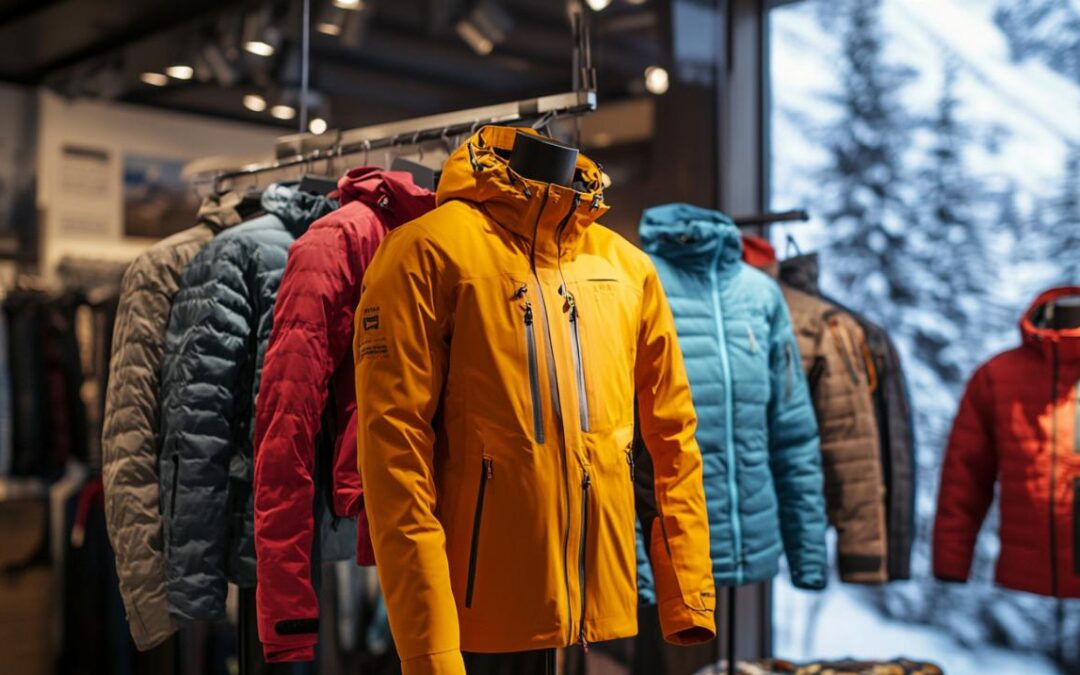
Winter beckons, and with it comes the thrilling call of snow-covered peaks and pristine powder runs. Whether you're tackling steep alpine descents or carving turns on groomed pistes, the outer layer you wear becomes your first line of defence against the elements. Selecting the right protective garment involves understanding what lies beneath the surface, from advanced membrane systems to carefully chosen insulation types. This guide will help you navigate the technical landscape of modern outerwear, ensuring you stay comfortable and protected throughout your mountain adventures.
Understanding Technical Fabrics and Membrane Systems in Winter Sports Outerwear
The science behind waterproof breathable barriers in alpine clothing
The foundation of any quality outer shell rests in its ability to keep moisture out whilst allowing perspiration to escape. This delicate balance hinges on the membrane, a thin technological barrier laminated to the fabric. Two primary approaches dominate the market: microporous and monolithic designs. Microporous membranes, exemplified by well-known technologies such as Gore-Tex, feature microscopic pores that are large enough to let water vapour molecules pass through yet small enough to block liquid water droplets. This design has proven effective across countless mountain expeditions and remains a trusted choice for serious enthusiasts.
Monolithic membranes take a different approach entirely. These pore-free films rely on a chemical process to transport moisture from the inside to the outside. Dermizax EV stands as a prime example of this technology, offering a water column rating of 20,000 millimetres alongside impressive vapour permeability. The absence of pores means these membranes are less susceptible to contamination from body oils, dirt, or detergents, potentially extending their functional lifespan. Another noteworthy option, Aerosense-Dry, matches these specifications with a water column of 20,000 millimetres and breathability rated at 20,000 grams per square metre over 24 hours. These figures translate to reliable protection during sustained exposure to snowfall or unexpected weather changes whilst maintaining comfort during high-exertion activities.
How modern membrane technology keeps you dry during freeride adventures
When venturing beyond marked runs into freeride territory, the demands on your gear intensify considerably. Deep powder, tree wells, and variable weather patterns require a shell that performs consistently across diverse conditions. The water column measurement indicates how much water pressure the fabric can withstand before leaking, with ratings above 10,000 millimetres considered highly waterproof. For serious mountain use, targeting garments with ratings of 20,000 millimetres or higher ensures you remain dry even when kneeling in wet snow or facing horizontal precipitation driven by mountain winds.
Breathability proves equally crucial, particularly during the ascent phases common in backcountry touring or when hiking to access fresh lines. A membrane that cannot efficiently transport moisture vapour away from your skin will leave you clammy and uncomfortable, undermining the warmth provided by insulation layers beneath. The measurement in grams per square metre per day quantifies how much moisture vapour can pass through the fabric. Higher values indicate superior breathability, making garments more suitable for aerobic activities such as ski touring, snowboarding, or vigorous alpine pursuits. Balancing these two properties, waterproofing and breathability, represents the core challenge that modern membrane technology addresses with increasing sophistication.
Insulation Types and Layering Strategies for Optimal Warmth on the Slopes
Synthetic Versus Natural Fill: What Works Best for Snowboarding and Skiing
The choice of insulation profoundly influences both warmth and versatility. Natural options, particularly goose down, deliver exceptional warmth relative to weight, making them ideal for stationary activities or extremely cold conditions. Down creates lofty pockets that trap air, providing superb thermal efficiency. However, this performance comes with a notable caveat: when down becomes wet, it loses much of its insulating ability and takes considerable time to dry. For those spending time in maritime snow climates or engaging in high-output activities where perspiration is inevitable, this limitation warrants careful consideration.
Merino wool presents an interesting middle ground among natural fibres. This material retains some insulating properties even when damp and naturally resists odour accumulation, making it suitable for multi-day trips where washing facilities may be limited. Yet for most modern ski and snowboard applications, synthetic fibres have emerged as the preferred solution. These engineered materials repel water effectively and continue insulating even when moisture is present. Technologies such as Primaloft Cross Core incorporate Aerogel, recognised as the lightest solid material known to science, delivering remarkable warmth without bulk. This ultralight construction particularly benefits those who value packability and freedom of movement.
Primaloft Silver offers excellent compressibility whilst maintaining performance during intense activity, making it well-suited for those who generate significant body heat through aggressive riding or touring. Primaloft Black stands as a synthetic alternative that closely mimics the warmth-to-weight ratio of natural down whilst avoiding its moisture sensitivity. For environmentally conscious consumers, options such as Thermore Ecodown, manufactured from recycled PET bottles, and Repreve, derived from reclaimed plastic, provide sustainable choices without compromising performance. Comfortemp Quickdry Frame actively wicks moisture away from the body, whilst Domeair technology, developed through research in Antarctic conditions, employs a perforated structure that traps air within its geometry, creating warmth through intelligent design rather than material volume alone.
Building the Perfect Layer System from Base to Outer Shell
Understanding individual garment technologies matters little without grasping how layers work together as a system. The foundation begins with a base layer against your skin, tasked with moisture transport. Merino wool or synthetic fabrics excel here, moving perspiration away from your body to prevent the chill that accompanies damp skin. Avoid cotton entirely, as it absorbs moisture and dries slowly, creating a recipe for hypothermia in cold environments.
The mid layer provides primary insulation, trapping warm air close to your body. Depending on conditions and activity level, this might range from a lightweight fleece for mild days to a substantial insulated piece for bitter cold or lower-intensity pursuits. The beauty of a layering system lies in its adaptability. You can add or remove pieces throughout the day as temperatures fluctuate, your exertion level changes, or weather conditions shift. This flexibility proves far more effective than relying on a single heavy coat that cannot be adjusted.
Your outer shell serves as the final barrier against wind, snow, and precipitation. For many applications, a shell without built-in insulation offers maximum versatility, allowing you to adjust warmth by changing the layers beneath. This approach particularly suits those who engage in varied activities, from hiking and alpine touring to resort skiing and snowboarding. Alternatively, insulated shells provide convenience for those who prefer simplicity or spend time in consistently cold conditions with moderate activity levels. Consider your typical mountain routine, the climate where you most often ride, and whether you prefer adjusting layers or donning a single garment that handles multiple conditions.
Evaluating Build Quality and Features for Your Snowsports Wardrobe
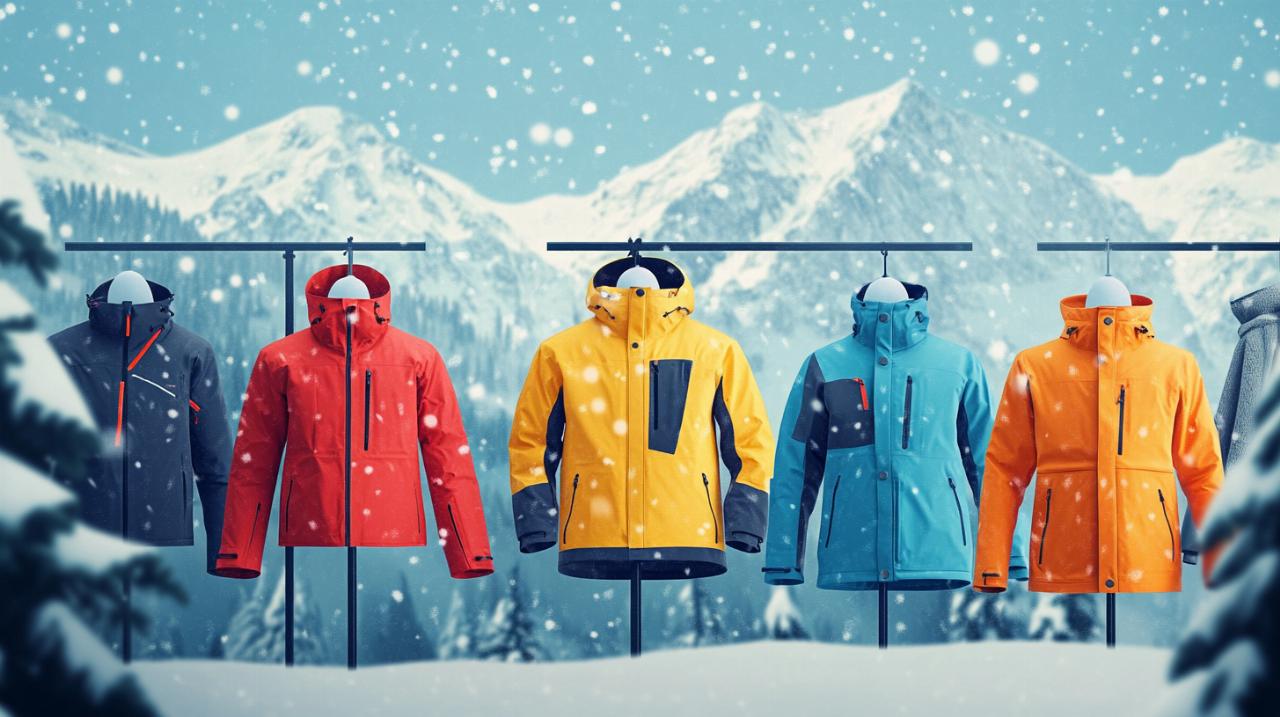
Construction details that separate premium coats from budget options
Beyond membrane specifications and insulation types, construction quality determines how well a garment performs over seasons of use. Seam sealing represents a critical detail often overlooked by newcomers. Even the most advanced waterproof fabric becomes useless if needle holes along stitched seams allow water penetration. Fully taped seams, where every junction is sealed with waterproof tape, ensure complete protection. Some manufacturers use critically taped seams, sealing only high-exposure areas to reduce weight and cost, a compromise that may suffice for resort use but proves inadequate in harsh conditions.
Zipper quality deserves careful attention as well. Waterproof zippers, whilst more expensive, prevent moisture ingress through these vulnerable points. Look for robust construction with substantial zipper pulls that can be operated whilst wearing gloves. Pit zips, additional zippers under the arms, provide crucial ventilation during high-output activities, allowing you to dump excess heat without removing layers. Pockets should be positioned thoughtfully, with waterproof zippers protecting valuables such as your phone or ski pass. Internal pockets offer secure storage for items you want to keep dry and accessible.
Adjustability features significantly impact real-world performance. Hood adjustments allow you to cinch the opening around your helmet or face, preventing snow from entering whilst maintaining visibility. Hem and cuff adjustments seal out drafts and prevent snow from working its way inside during falls or deep powder days. Powder skirts, elastic or snap-in barriers at the garment's base, create a seal between your jacket and trousers, essential for snowboarding or skiing in deep snow. Quality hardware, from snaps to Velcro closures, should operate smoothly and withstand repeated use without failing.
Essential Design Elements for Woman and Man Specific Alpine Jackets
Gender-specific design extends beyond simple sizing to address different body proportions and preferences. Jackets designed for women typically feature narrower shoulders, a longer front-to-back torso measurement, and shaping that accommodates different body contours. These adjustments ensure proper fit, which directly affects both comfort and performance. A garment that fits well moves with you rather than restricting motion or riding up during activity. For men, cuts generally allow for broader shoulders and a different waist-to-hip ratio, though individual body types vary considerably, making it worthwhile to try multiple options regardless of the label.
Style considerations, whilst secondary to function, contribute to your overall satisfaction with a purchase. Mountain culture embraces both form and function, with manufacturers offering everything from bold, vibrant designs to understated, technical aesthetics. Your choice might reflect personal taste, the desire to stand out for safety reasons in variable visibility, or preference for versatile styling that transitions to other winter activities. Collections regularly refresh with new colourways and design details, so exploring current offerings often reveals options that align with your aesthetic preferences without sacrificing technical performance.
Accessory integration deserves mention as well. Many quality shells include dedicated storage for goggles, keeping them secure and scratch-free. Media pockets with routing for headphone cables, though less critical in the wireless era, still appear on some designs. Helmet-compatible hoods have become standard on serious mountain wear, accommodating the increased bulk and ensuring your head remains protected and warm. Some garments offer attachment points for linking jacket and trousers, creating a unified system that prevents separation during falls.
Maintenance plays a role in long-term satisfaction as well. Hand washing represents the recommended approach for most technical outerwear, preserving the integrity of membranes and treatments. Harsh detergents and machine agitation can damage waterproof coatings and reduce breathability over time. Following care instructions extends the functional life of your investment, ensuring that the performance you purchase continues season after season. Periodic reapplication of durable water repellent treatments restores the surface's ability to shed moisture, maintaining breathability by preventing the face fabric from becoming saturated.
Choosing the right shell involves balancing technical specifications with personal needs and preferences. Consider where you spend most of your time on the mountain, the typical weather conditions you encounter, and your activity level. Those who favour high-output pursuits such as ski touring or splitboarding benefit from highly breathable shells with minimal insulation, allowing fine-tuned warmth control through layering. Resort skiers or snowboarders who ride lifts and make runs at moderate pace might prefer insulated options that simplify dressing and reduce the number of pieces to manage. Understanding these nuances empowers you to select gear that enhances your mountain experience rather than simply meeting minimum requirements.
The modern marketplace offers remarkable variety, from established technical brands to innovative newcomers pushing boundaries with recycled materials and novel construction techniques. Outlet sections frequently feature substantial discounts, sometimes reaching sixty percent off, making premium gear accessible to those willing to accept previous season's colours or styles. Free delivery thresholds and generous returns policies reduce the risk of purchasing online, though nothing substitutes for trying garments on when possible, assessing fit, and evaluating features in person. Whether you're drawn to the slopes for the first time or replacing well-worn gear after countless seasons, investing time in understanding what makes quality outerwear perform pays dividends in comfort, safety, and enjoyment across all your winter adventures.